 ASUS PRIME B760M-A (WIFI) PRICE IN PAKISTAN
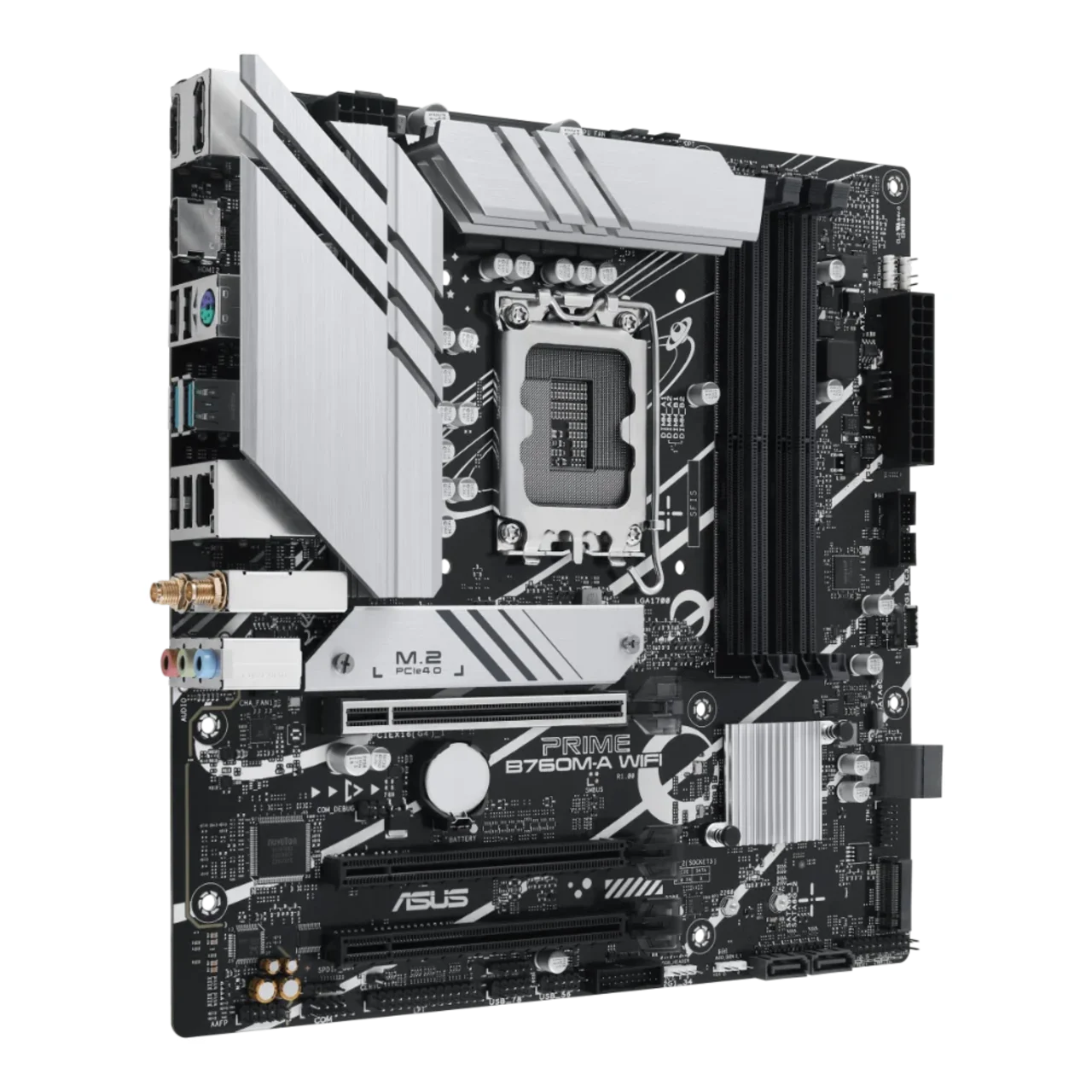
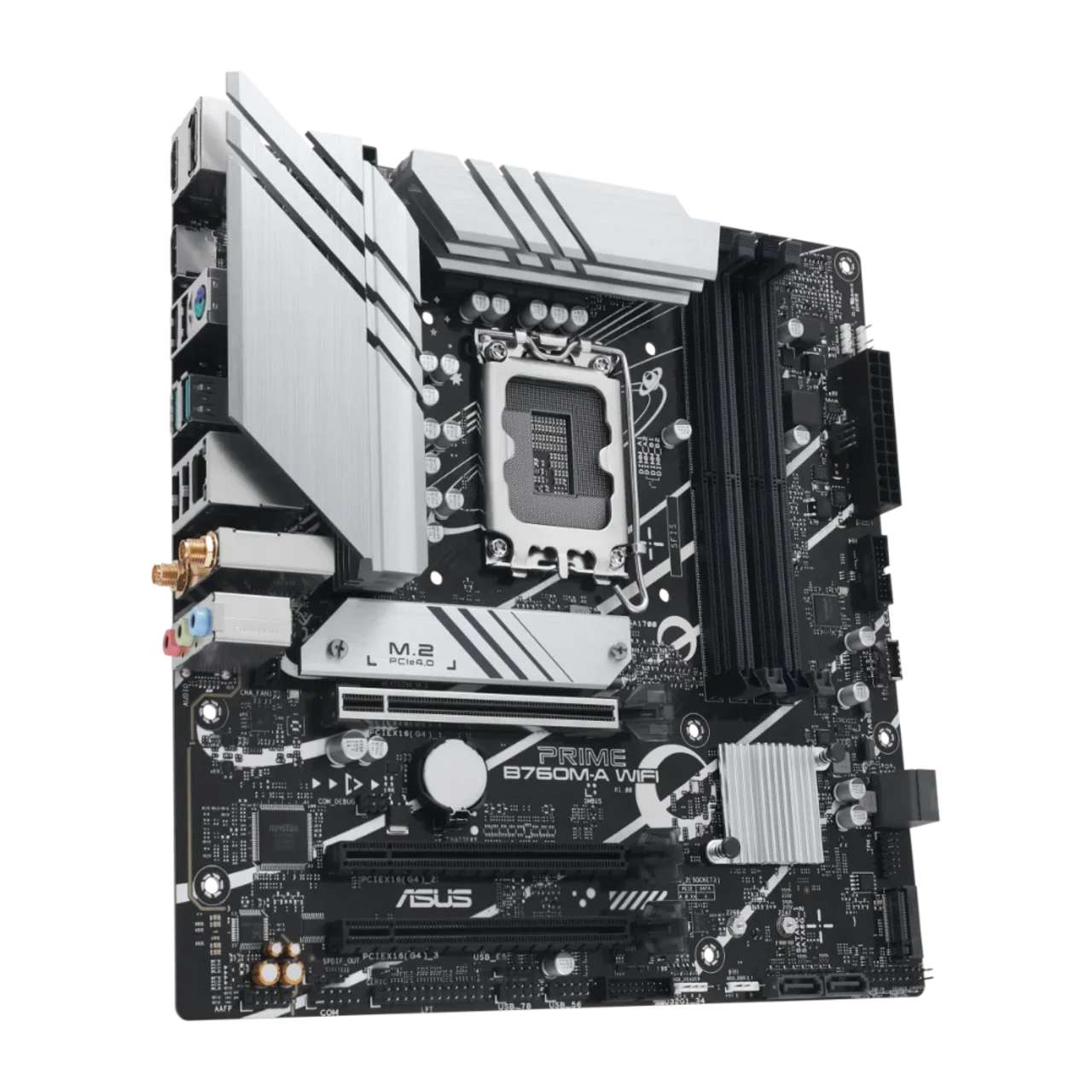
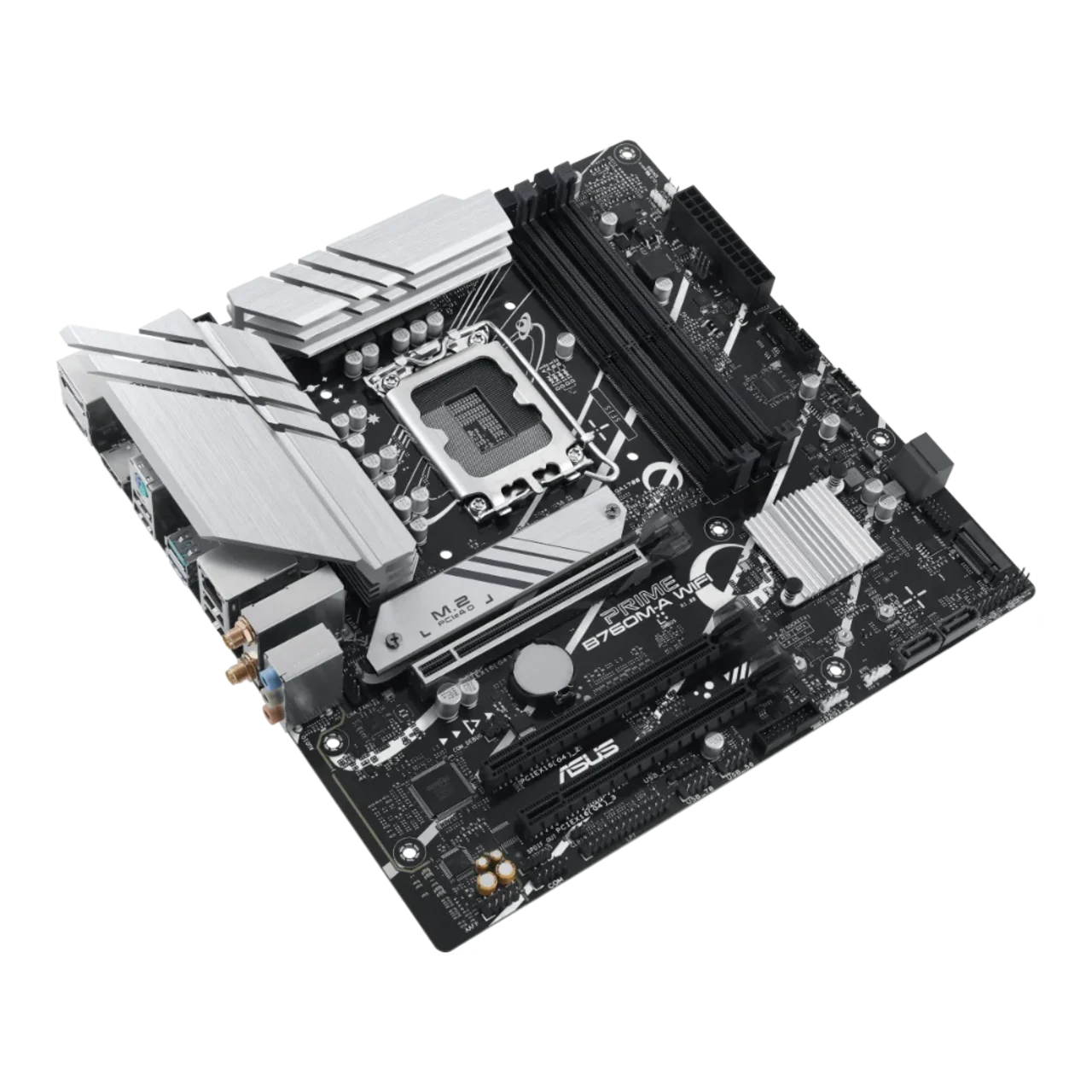
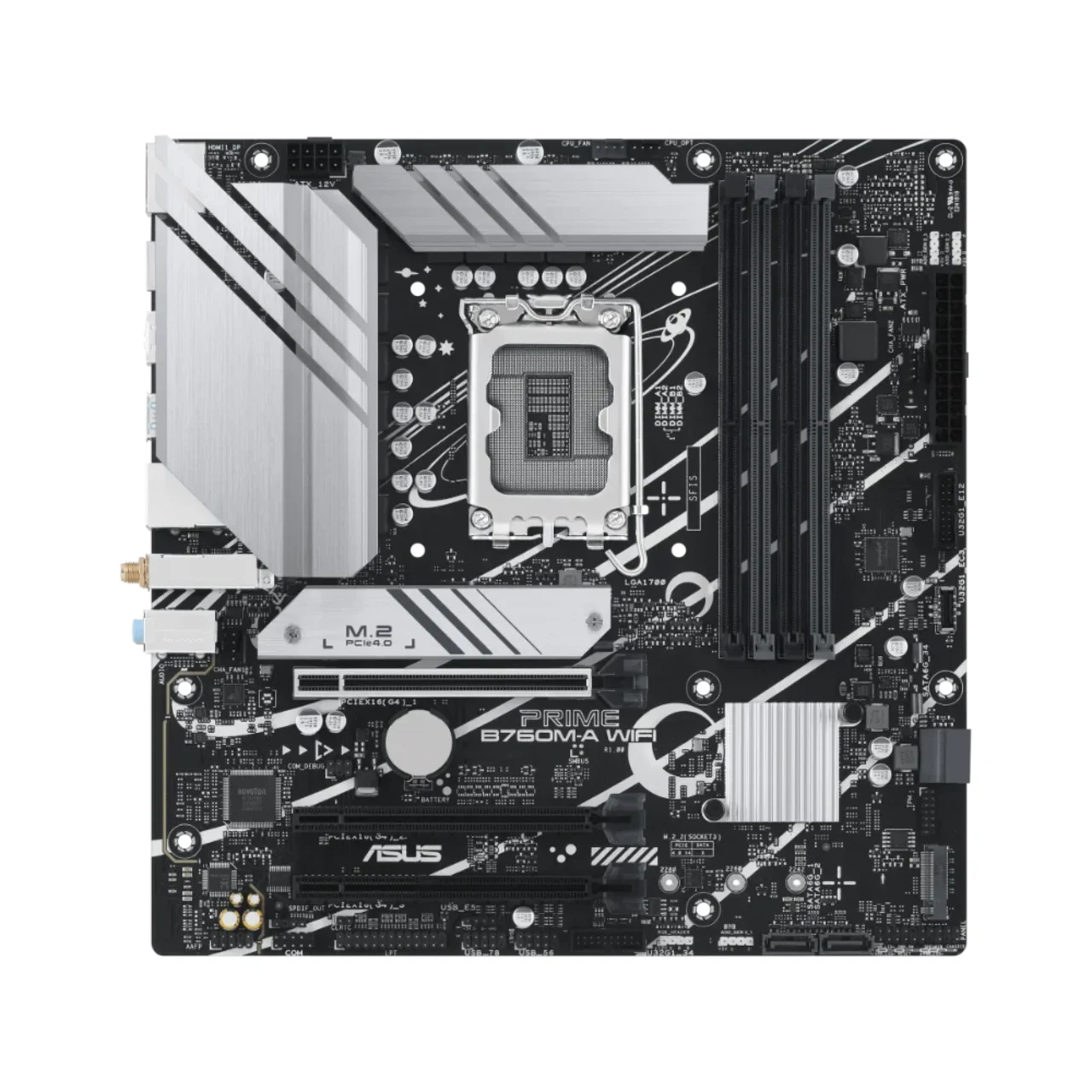
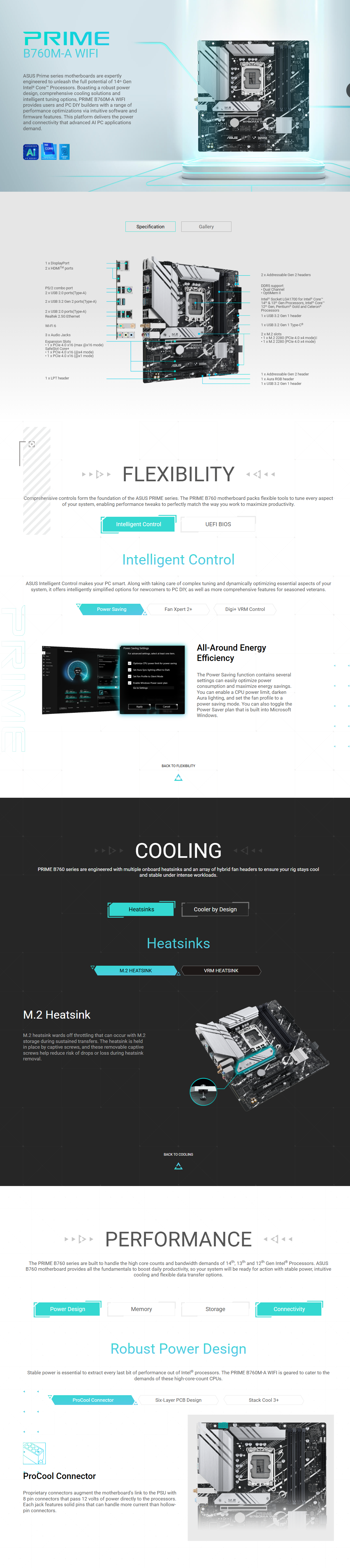
The ASUS PRIME B760M-A WIFI is one of those motherboards that sits right in the sweet spot between affordability and modern features, making it an attractive choice for people building a mid-range PC for gaming, work, or content creation. It is based on the Intel B760 chipset, which is designed for Intel’s latest 12th, 13th, and 14th generation CPUs on the LGA 1700 socket. Being a micro-ATX board, it strikes a balance between compactness and expandability, so you can build in smaller cases without losing too much in terms of slots or connectivity. The design itself follows the typical ASUS PRIME look — clean, silver heatsinks with subtle accents, aiming more at functionality and reliability than flashy RGB aesthetics. The VRM (power delivery) design is strong enough to handle mid- to high-end CPUs like the i5 and i7 comfortably, though it isn’t meant for heavy, enthusiast-grade overclocking. Cooling is also taken care of with multiple heatsinks, including one for the M.2 SSD slot, ensuring stable operation under load.
In terms of memory, the board supports up to four DIMMs, giving you plenty of flexibility to run dual-channel memory kits or upgrade later. Depending on the version you choose, you get support for either DDR5 (higher speeds, future-proof) or DDR4 (cheaper and still widely available). The DDR5 variant can go all the way up to extreme XMP speeds (e.g., DDR5-7200+ OC depending on CPU and configuration), making it great for those who want cutting-edge performance. For storage, you get two PCIe 4.0 M.2 slots for fast NVMe SSDs and four SATA ports for traditional SSDs or HDDs, which should be more than enough for gaming builds or productivity setups. The primary PCIe slot for your GPU is also PCIe 4.0 x16, ensuring modern graphics cards perform without bottlenecks. Additional PCIe slots (x4/x1) allow for expansion cards like capture cards or sound cards.
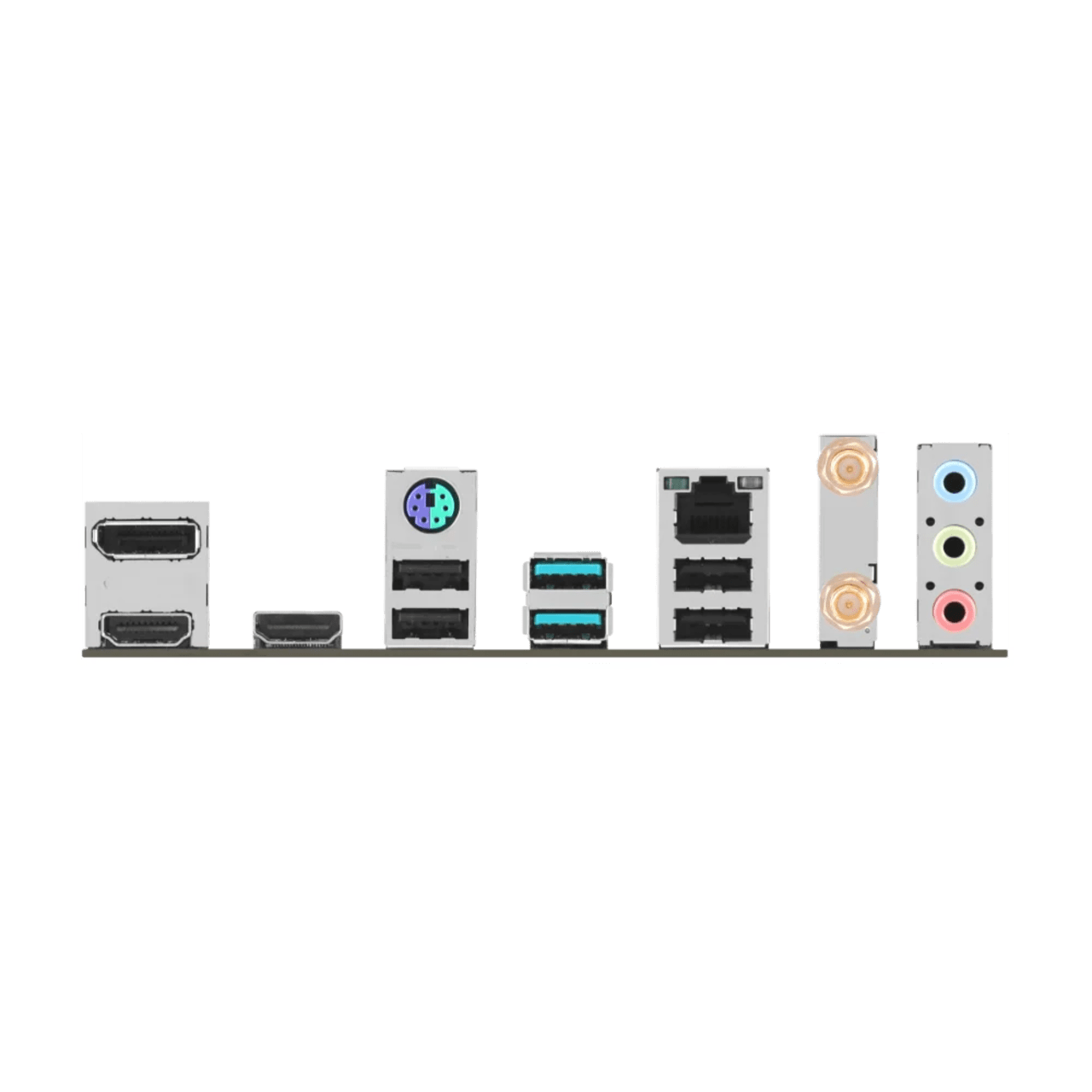
One of the highlights of this board is connectivity. It comes with a 2.5Gb Ethernet port for high-speed wired internet, but also includes WiFi 6 and Bluetooth 5.2 out of the box, which is extremely convenient if you don’t want to buy a separate WiFi card. On the rear I/O, you’ll find multiple USB ports including USB 3.2 Gen 2, as well as HDMI and DisplayPort outputs for CPUs with integrated graphics. The front panel connectors include USB Type-C, which is very useful if your case has a front USB-C port. Audio is handled by a Realtek codec, which is fine for everyday use, gaming, and casual media, but if you are an audiophile or doing studio-level work, you might want a dedicated sound card or external DAC.
Where this motherboard shines is in value for money. It brings a lot of premium-feeling features like WiFi, fast Ethernet, USB-C, PCIe 4.0, and good memory support, all in a package that costs much less than Z-series motherboards. For most users — especially gamers pairing it with a Core i5 or i7, or even creators who want fast SSDs and high RAM capacity — this board is more than enough. The limitations are mainly around overclocking and extreme expandability. Because it’s a B-series board, you don’t get CPU overclocking like you would with Z790/Z890 boards, and since it’s mATX, you won’t get as many PCIe slots or M.2 slots as on bigger ATX boards. But for 95% of people, that won’t be an issue, especially if the goal is a well-rounded, stable, and efficient system.
Overall, the ASUS PRIME B760M-A WIFI is best described as a balanced motherboard: modern, reliable, and full of practical features without unnecessary extras that inflate the cost. It is ideal for someone who wants a future-ready PC with fast storage, WiFi built in, support for new CPUs, and strong overall performance — but doesn’t need extreme overclocking or a huge E-ATX board. If you’re building a compact yet powerful PC for gaming, streaming, content creation, or work, this board offers an excellent foundation.